Updated on February 27, 2026, for accuracy and clarity.
Importing office chairs and furniture from China can be a lucrative business opportunity, but it also comes with its fair share of logistics challenges. In this blog, we will explore the common hurdles that importers face when importing office chairs and furniture from China, and provide insights into effective logistics solutions to overcome these challenges.
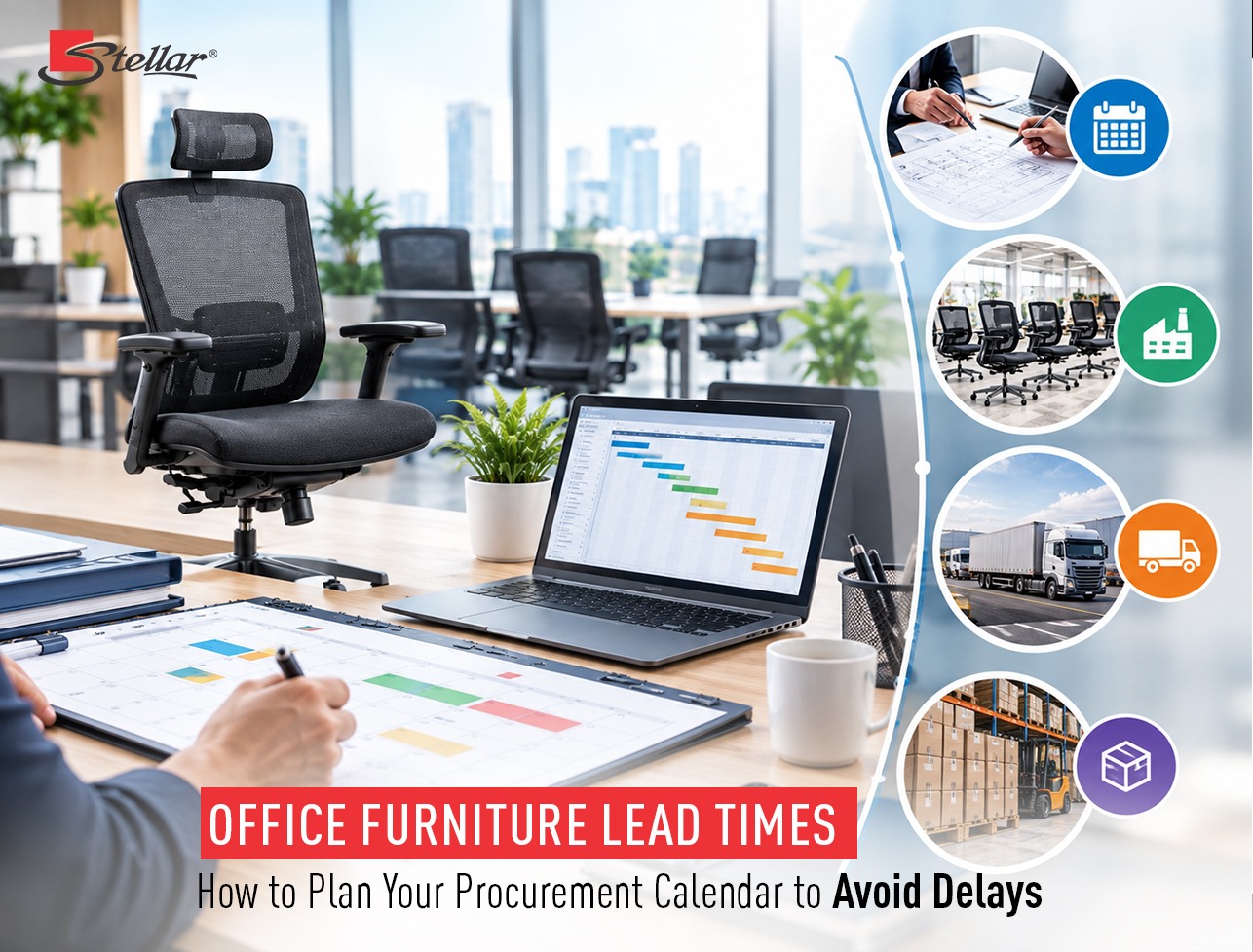
Transporting bulky and heavy office chairs and furniture requires careful consideration of freight options. Importers often encounter challenges in selecting the most cost-effective and reliable shipping methods. Issues such as container availability, transit times, and freight costs can impact the overall logistics process.
What you can do about it:
Research and compare different shipping methods and supplier options to find the most cost-effective and reliable option. Hiring a consolidator/agent can help you save money and get a reliable service.
Plan ahead and book shipping containers in advance to ensure availability.
Work closely with freight forwarders or logistics providers who specialize in international shipping to navigate the complexities of logistics.
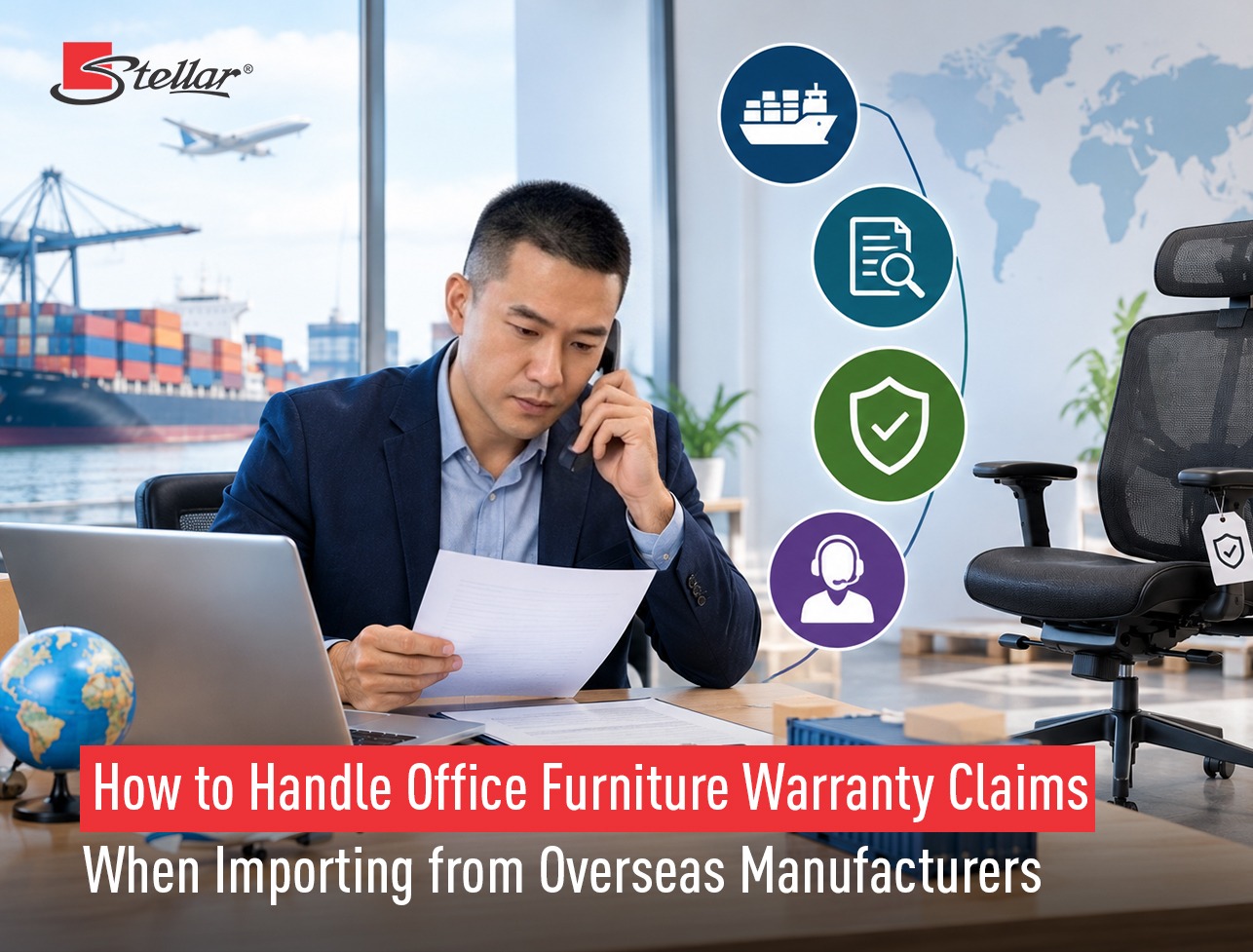
Navigating the complexities of customs clearance procedures is another challenge for importers. Compliance with import regulations, documentation requirements, and dealing with customs duties and taxes can be time-consuming and may require expert knowledge to ensure a smooth clearance process. Moreover, Demurrage and Detention – probably the most misunderstood, hated and hotly debated terms in container shipping can also apply to your goods if your documentation is not proper or your goods are not cleared on time, for any reason. This can be a significant revenue loss.
What you can do about it:
Partner with experienced customs brokers who have knowledge of import regulations and can assist with documentation preparation and clearance procedures.
Stay up-to-date with import regulations and compliance requirements to ensure smooth customs clearance.
Consider engaging a customs consulting firm to provide guidance and minimize compliance risks.
What you can do about it:
Establish clear and effective communication channels with suppliers, leveraging tools like video calls, emails, and instant messaging platforms.
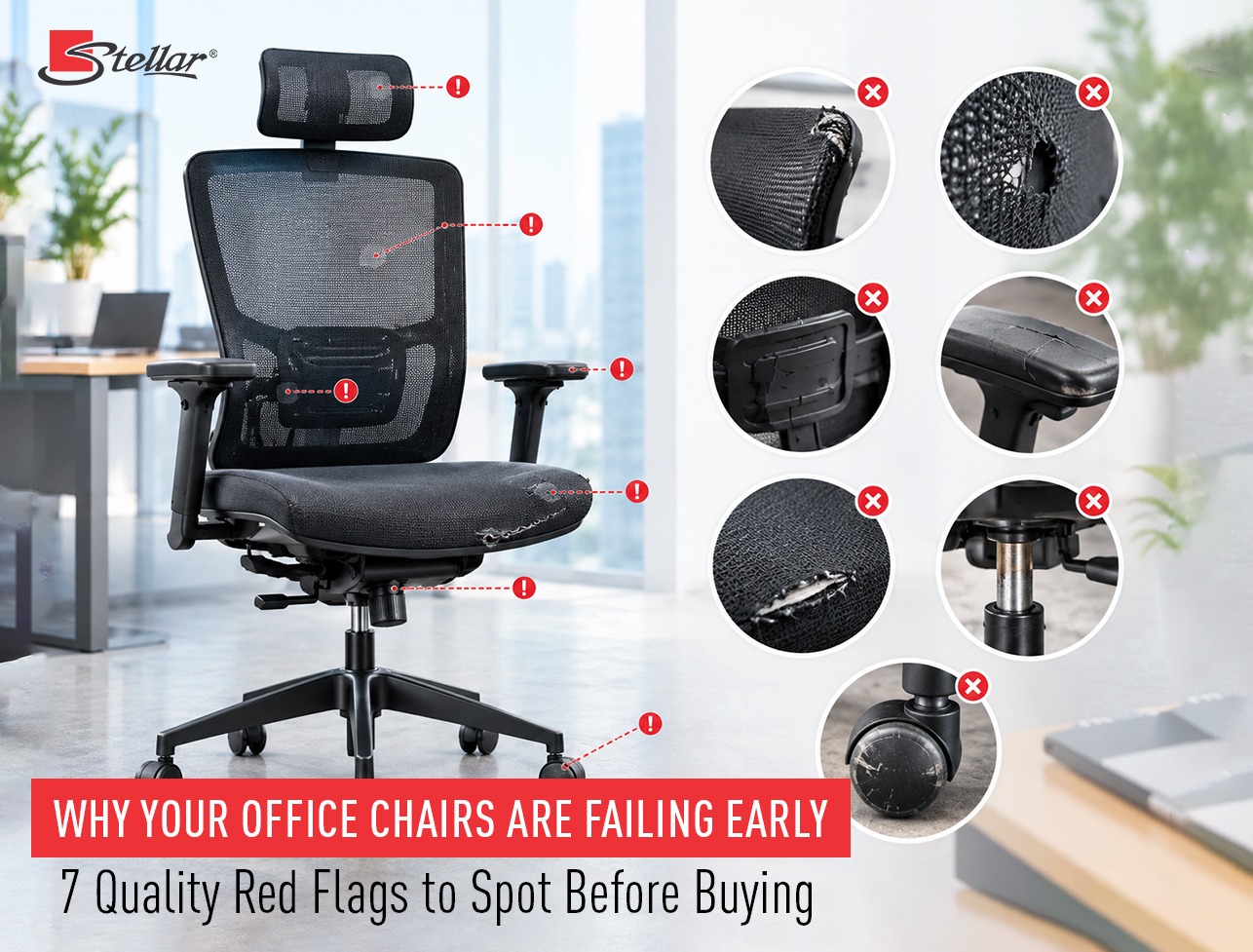
Clearly define product specifications and quality requirements to suppliers and conduct regular quality inspections during production.
Implement a Supplier Quality Management Program to ensure consistency and reliability in product quality.
This is a unique strength of Stellar which has a multicultural team based in China, India and UK and can understand your language as well as your business needs. We also work with several 3rd party inspection agencies like SGS so our customers can hire any QC company of their choice to inspect the goods before dispatch.
Managing inventory and warehousing can be a logistical puzzle for importers. Arranging storage facilities, optimizing inventory levels, and ensuring efficient order fulfilment require meticulous planning and effective inventory management systems.
What you can do about it:
Utilize inventory management software or systems to track inventory levels accurately, reorder points, and stock availability.
Consider working with third-party logistics providers or warehouse operators who can provide efficient storage solutions and order fulfilment services.
Optimize inventory levels based on demand forecasts and lead times to minimize carrying costs.
Transporting goods from the port of arrival to the final destination is another logistical challenge. Importers must consider the most suitable transportation methods, such as trucking or rail, and address issues related to last-mile delivery, including scheduling, tracking, and customer notifications.
What you can do about it:
Collaborate with reputable transportation providers who have expertise in handling furniture shipments and offer reliable last-mile delivery services.
Utilize tracking and monitoring systems to keep track of shipments and provide real-time updates to customers.
Plan delivery routes efficiently to minimize costs and optimize delivery schedules.
Maintaining visibility and tracking throughout the supply chain is critical for importers. Timely updates on the shipment status, estimated delivery times, and proactive communication are essential to manage customer expectations and provide a seamless importing experience.
What you can do about it:
Implement supply chain visibility tools or software that provide real-time updates on shipment status and provide visibility across the supply chain.
Maintain open lines of communication with logistics partners and suppliers to ensure timely updates on any disruptions or delays.
Utilize advanced tracking technologies such as RFID or GPS to improve shipment visibility.
Importers face potential risks such as damage, loss, or delays during transit. Addressing these risks through appropriate insurance coverage and risk mitigation strategies is vital to protect the investment and ensure a smooth importing process.
What you can do about it:
Evaluate and select appropriate insurance coverage to protect against risks during transit, such as damage, loss, or delays.
Conduct thorough due diligence on logistics partners and suppliers to minimize the risk of disruptions.
Develop contingency plans and alternative sourcing strategies to mitigate risks associated with supply chain disruptions.
Importing office chairs and furniture from China offers tremendous business opportunities, but it also comes with its fair share of logistics challenges. By understanding and proactively addressing these challenges, importers can develop effective logistics solutions to streamline the importing process, enhance customer satisfaction, and drive business success.
As a leading Office Chair Manufacturer in Foshan, China, Stellar exports Ergonomic Chairs and other office furniture items like desks, workstations, storage units, reception tables etc to Office Furniture retailers, distributors, and wholesalers in over 100+ countries worldwide. Visit our website and contact us for your office chair imports requirements anywhere in the world and we will be happy to help:
1. What are the main logistics challenges when importing office chairs?
The main logistics challenges when importing office chairs include shipping delays, high freight costs, customs clearance issues, and inventory mismanagement. Because office chairs are bulky and often shipped in large quantities, improper planning can lead to damaged goods, unexpected fees, and delayed deliveries.
2. How can I choose the best shipping method for importing office chairs?
The best shipping method depends on order volume, budget, and delivery timeline. Sea freight is generally the most cost-effective option for bulk orders, while air freight is suitable for urgent or small shipments. Evaluating transit time, container capacity, and total landed cost helps importers make the right decision.
3. What should I know about customs clearance when importing office chairs?
Customs clearance requires accurate documentation, proper product classification, and compliance with local regulations. Importers must ensure invoices, packing lists, HS codes, and certifications are correctly prepared to avoid penalties or shipment delays.
4. How can I reduce freight costs when importing office chairs?
Freight costs can be reduced by optimizing container space, consolidating shipments, negotiating rates with freight forwarders, and planning orders in advance. Proper packaging design also helps maximize container loading efficiency and lower per-unit shipping costs.
5. How do I ensure quality control before shipment?
Quality control is ensured through pre-production samples, factory inspections, and third-party quality checks before dispatch. Verifying packaging strength and conducting drop tests can further prevent damage during transit.
6. What inventory management strategies help prevent logistics problems?
Effective inventory management involves accurate demand forecasting, maintaining safety stock levels, and coordinating production timelines with shipping schedules. Using inventory tracking systems helps avoid overstocking or stockouts that disrupt business operations.
7. What are common last-mile delivery challenges for imported office chairs?
Common last-mile delivery challenges include handling bulky packages, limited warehouse access, delivery damage, and scheduling coordination with customers. Proper packaging, clear labeling, and reliable local logistics partners can reduce these risks.
8. How can I track shipments effectively during transit?
Shipment tracking can be improved by working with freight forwarders who provide real-time tracking updates and digital documentation. Visibility into transit status allows importers to prepare for customs clearance and warehouse planning in advance.
9. What type of insurance should office chair importers consider?
Office chair importers should consider marine cargo insurance to protect against damage, theft, or loss during transit. Insurance coverage ensures financial protection in case of unexpected shipping incidents.
10. How can logistics partnerships improve importing efficiency?
Logistics partnerships improve importing efficiency by providing expertise in freight management, customs handling, and supply chain coordination. Experienced partners help minimize delays, control costs, and ensure smoother delivery processes.

Stellar Global is a leading international office furniture manufacturer and supplier with over 34 years of industry experience, crafting ergonomic chairs, desks, workstations, and commercial furniture shipped to customers around the world.