Large-scale workspace rollouts can look simple once the final space is complete, but anyone who has handled them knows the real work begins long before installation day. Challenges in large-scale projects can affect timelines, budgets, quality control, installation flow, and the confidence clients place in the entire process. For corporate campuses, coworking chains, institutional buyers, retailers, and wholesalers, these projects are never just about furniture. They are about making sure every decision holds together from design to delivery.
For businesses working at scale, challenges in large-scale projects do not appear in one dramatic moment. They build quietly through approvals, supply timing, production planning, and on-site execution. That is why project management challenges need to be understood early, before the first unit is manufactured. In furniture project management, a small oversight can become a costly delay if the process is not controlled from the start.
Also Read: Managing Coordination Between Design, Supply, and Installation in Institutional Projects
The first reason challenges in large-scale projects grow so fast is scale. A small design change can affect hundreds of units. A delayed approval can move an entire shipping window. A material mismatch can affect consistency across an entire floor or building. This is where project management challenges become especially visible because the project is no longer judged by one sample, but by how the full order performs in real life.
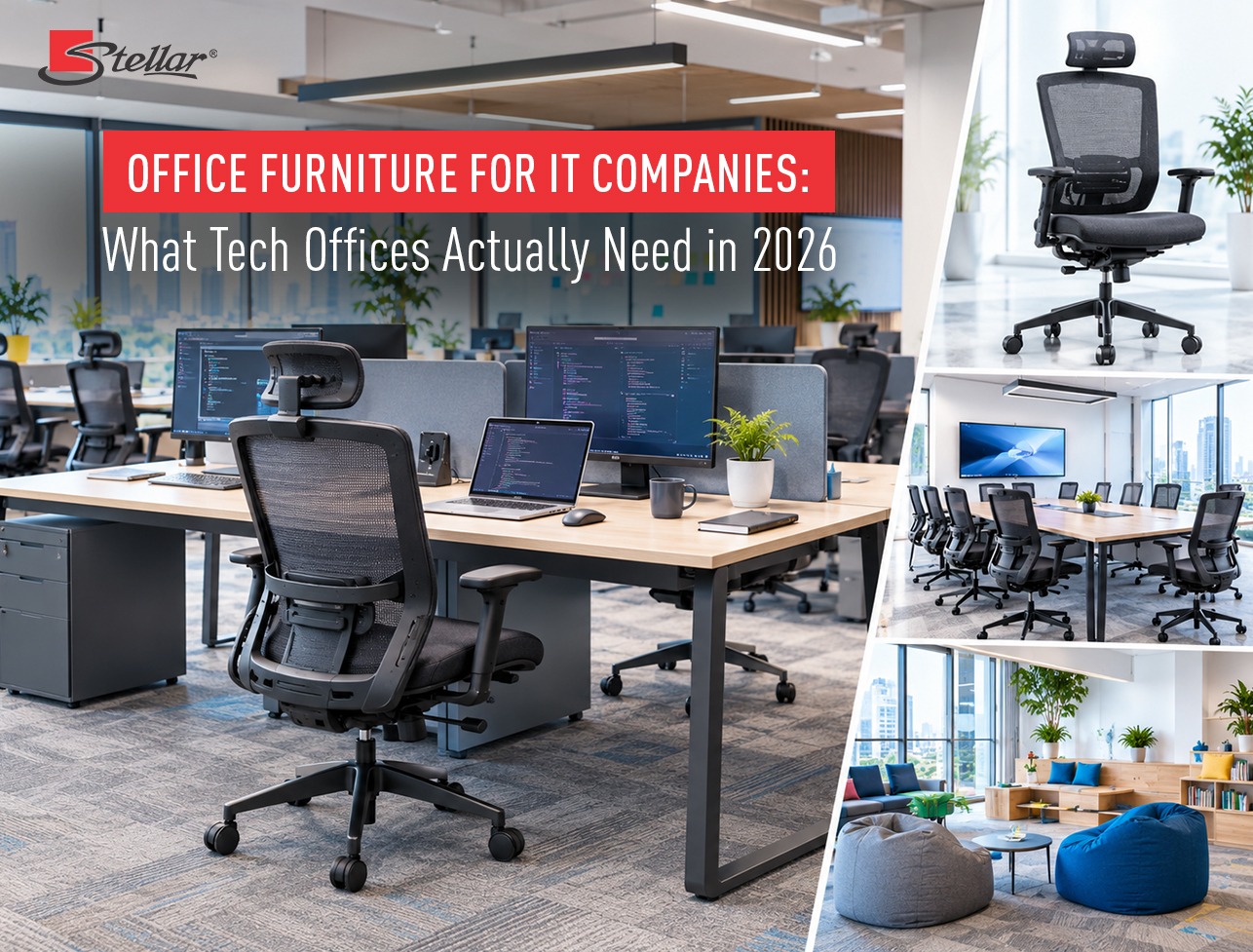
In commercial furniture project management, the biggest mistakes are usually not dramatic. They are small gaps that stack up over time. That is why large project execution issues must be planned for at the design stage, not after production has already started. When a rollout includes ergonomic chairs, desks, lounges, storage, and collaborative furniture, the coordination burden rises immediately.
One of the most common challenges in large-scale projects is design misalignment. A concept can look perfect on screen, yet still create trouble if it is not practical to produce, pack, move, and install at scale. In office furniture projects, that gap between vision and execution often becomes the biggest source of delay.
Commercial furniture project management works best when design is realistic from the start. A chair or workstation should not only look right. It should be manufacturable in bulk, packed efficiently, installed smoothly, and repeated consistently. When that does not happen, large project execution issues begin to appear in rework, redesign, and site-level adjustments.
This is also where digital coordination platforms are changing the way projects move forward. Instead of relying only on visual renders, businesses are now shifting toward systems that connect design intent directly with execution. Platforms like Workplai are helping bridge that gap by aligning real materials, verified SKUs, procurement planning and installation workflows within a single process. This reduces the disconnect between what clients approve and what finally gets built on-site.
Another major source of challenges in large-scale projects is the supply chain. Large orders require more than product availability. They need raw material planning, batch synchronization, packaging readiness, and dispatch timing that matches the site schedule. This is where project management challenges often begin long before the furniture leaves the factory.
In furniture project management, delays usually happen because one part of the chain was treated separately from the rest. Materials arrive late, batches vary, or shipping does not align with installation. In office furniture projects, that can cause crews to wait, timelines to slip, and procurement teams to lose confidence. A strong office furniture commercial project China strategy has to connect design, manufacturing, packaging, and logistics into one coordinated system.
Modern project platforms are making this easier by centralizing milestone tracking from render approvals to manufacturing status and final installation readiness. This level of visibility helps businesses reduce large project execution issues before they affect delivery schedules.
Also Read: Custom vs Ready-Made Office Furniture: Which Is Better for Your Business?
One sample can impress anyone. A thousand matching units is the real test. That is one of the hardest challenges in large-scale projects. Buyers expect the same finish, the same feel, and the same performance across every batch. But if production is not tightly controlled, even good products can drift from one run to the next.
This is where furniture project management becomes a quality discipline. In commercial furniture project management, consistency is not a bonus. It is the foundation of trust. If one batch feels firmer, another looks slightly different, or a finish changes during production, large project execution issues show up fast. For office furniture projects, that inconsistency can affect installation speed, user comfort, and long-term maintenance planning.
Integrated systems that connect design specifications directly to manufacturing standards help reduce these inconsistencies. When manufacturers work with verified material libraries and controlled production systems, the outcome becomes far more reliable across large deployments.
Also Read: Manufacturer vs Trading Company: Who Should You Trust for Bulk Orders?
Even when manufacturing is right, the project can still stumble at installation. This is one of the most visible challenges in large-scale projects because it is the stage where the client finally sees the workspace come alive. If products do not arrive in the right sequence, with clear labeling and proper documentation, the schedule starts to slip.
Project management challenges during installation often come from incomplete handover details, site readiness issues, or a mismatch between shipping and floor-level execution. In office furniture projects, this stage is too important to leave to assumption. The best furniture project management systems keep installation connected to production and shipping, so large project execution issues are caught before they reach the site.
This is why modular planning and coordinated installation strategies have become so important. Businesses are increasingly looking for execution systems that allow furniture to be installed in phases without interrupting operations in adjacent workspaces.
Large projects often start with a clear budget and then evolve over time. A team is added, a finish changes, a layout shifts, or a compliance requirement appears. This is one of the challenges in large-scale projects that can quietly turn a controlled rollout into a costly one.
That is why furniture project management must include approval discipline and change control. Without it, project management challenges quickly become budget overruns. In commercial furniture project management, budget control is not about limiting value. It is about protecting the project from unnecessary drift while still maintaining design quality and operational goals.
Large projects involve many voices. Designers, procurement teams, factory planners, logistics partners, and installers all need the same information at the same time. When that does not happen, challenges in large-scale projects become much harder to manage.
This is especially true in office furniture projects where specifications, quantities, and timelines can shift across multiple stakeholders. If communication is scattered, project management challenges multiply. That is why strong furniture project management requires one clear source of truth. It keeps everyone aligned and prevents large project execution issues from growing.
Digital coordination systems are now playing a major role here by giving every stakeholder visibility into approvals, procurement stages, production tracking, and installation milestones from one centralized platform.
The modern workplace is no longer static. Offices are becoming more collaborative, flexible and hybrid-ready. Institutions want spaces that can evolve without complete redesigns every few years. This shift has increased the complexity of challenges in large-scale projects because businesses now expect furniture systems to support both functionality and future adaptability.
That is why end-to-end coordination matters more than ever. A workspace today is not just about sourcing desks and chairs. It is about connecting design thinking, manufacturing precision, logistics planning and installation execution into one seamless workflow.
Businesses that rely only on fragmented sourcing often struggle with accountability gaps. But when design, procurement and execution are coordinated together, the entire project becomes faster, clearer and easier to scale.
The biggest challenges in large-scale projects usually do not come from one dramatic mistake. They come from small misalignments that grow under pressure. That is why project management challenges need discipline, visibility and a manufacturing partner that understands scale.
At Stellar Global Furniture, we combine manufacturing expertise with coordinated project execution to help businesses move through large project execution issues with greater confidence. Through structured furniture project management, dependable production systems and integrated coordination support through platforms like Workplai, we help transform complex office furniture projects into streamlined, scalable environments.
From design planning to procurement alignment and installation readiness, our approach is built for organizations that cannot afford inconsistency at scale. If your next workspace rollout requires precision, flexibility and long-term reliability, connect with us and experience a smarter way to execute large-scale projects.
The most common challenges in large-scale projects include design changes, supply delays, inconsistent batches, installation issues and communication gaps. These problems can affect both budget and timeline if they are not controlled early. Strong planning and coordinated execution help reduce these risks significantly.
Project management challenges grow in office furniture projects because there are multiple moving parts, including design approvals, production schedules, logistics planning and installation coordination. Even a small change can impact hundreds of units. That is why structured furniture project management is critical for large-scale rollouts.
Large project execution issues often appear when manufacturing, shipping, and installation are not aligned properly. These can include delayed deliveries, incorrect specifications, missing components or site readiness problems. A coordinated execution strategy helps identify these risks before they affect the final rollout.
Workplai helps improve coordination by connecting design, procurement, manufacturing and installation into one centralized workflow. It uses verified materials, real product specifications and milestone tracking to reduce communication gaps and improve execution accuracy across large-scale institutional projects.
Stellar Global focuses on consistency, scalability and structured execution for large workspace requirements. By combining manufacturing expertise with coordinated project management systems and execution support, we help businesses reduce uncertainty and deliver office furniture projects with greater efficiency and reliability.

Stellar Global is a leading international office furniture manufacturer and supplier with over 34 years of industry experience, crafting ergonomic chairs, desks, workstations, and commercial furniture shipped to customers around the world.