A bulk office furniture order involves more than comparing quotations. You are committing to a supplier’s ability to maintain product quality, meet delivery schedules, manage materials and fulfil the same specifications across hundreds or thousands of units. A polished catalogue and an attractive sample may create a good first impression, but they do not establish whether a manufacturer can deliver consistently at scale.
Knowing how to verify office furniture manufacturer credentials and capabilities is essential for retailers, wholesalers, importers and commercial project buyers. The goal is to establish whether the supplier has the systems, capacity and accountability required to fulfil your order, not simply whether it can produce one good-looking product. These checks help you verify office furniture manufacturer credentials before committing to a bulk order.
Start by checking the supplier’s legal identity, registered address and business registration details. Confirm that the company information matches across quotations, contracts, invoices and payment instructions. If different entities appear on these documents, ask for clarification before making a commitment.
This is a fundamental step in due diligence furniture import teams should never overlook. A professional website, showroom or trade-fair presence can help establish credibility, but none replaces independent document verification.
If you are assessing overseas suppliers, particularly when considering how to vet furniture supplier China options remotely, request a live video walkthrough of the premises or arrange an independent factory visit. Current evidence of the actual business and production location is more useful than relying exclusively on photographs or promotional presentations. This is an important first step to verify office furniture manufacturer legitimacy before moving forward.
Not every furniture supplier manufactures every component in-house. Workstations, desks, metal frames, storage units and seating may involve different production facilities or specialist partners. Outsourcing is not automatically a problem; the important question is whether the supplier discloses it and maintains control over the agreed specifications.
Ask which products and components are manufactured directly, which are produced through affiliated facilities, and which are sourced externally. Clarify who inspects those components and who is responsible if they fail to meet the approved requirements.
An office furniture factory audit checklist should reflect the products you intend to purchase. For panel furniture, examine cutting, edge-banding, drilling and assembly. For metal components, ask about fabrication, finishing and dimensional checks. The objective is to verify the manufacturing processes relevant to your order rather than being impressed by machinery that may not be used for your products.
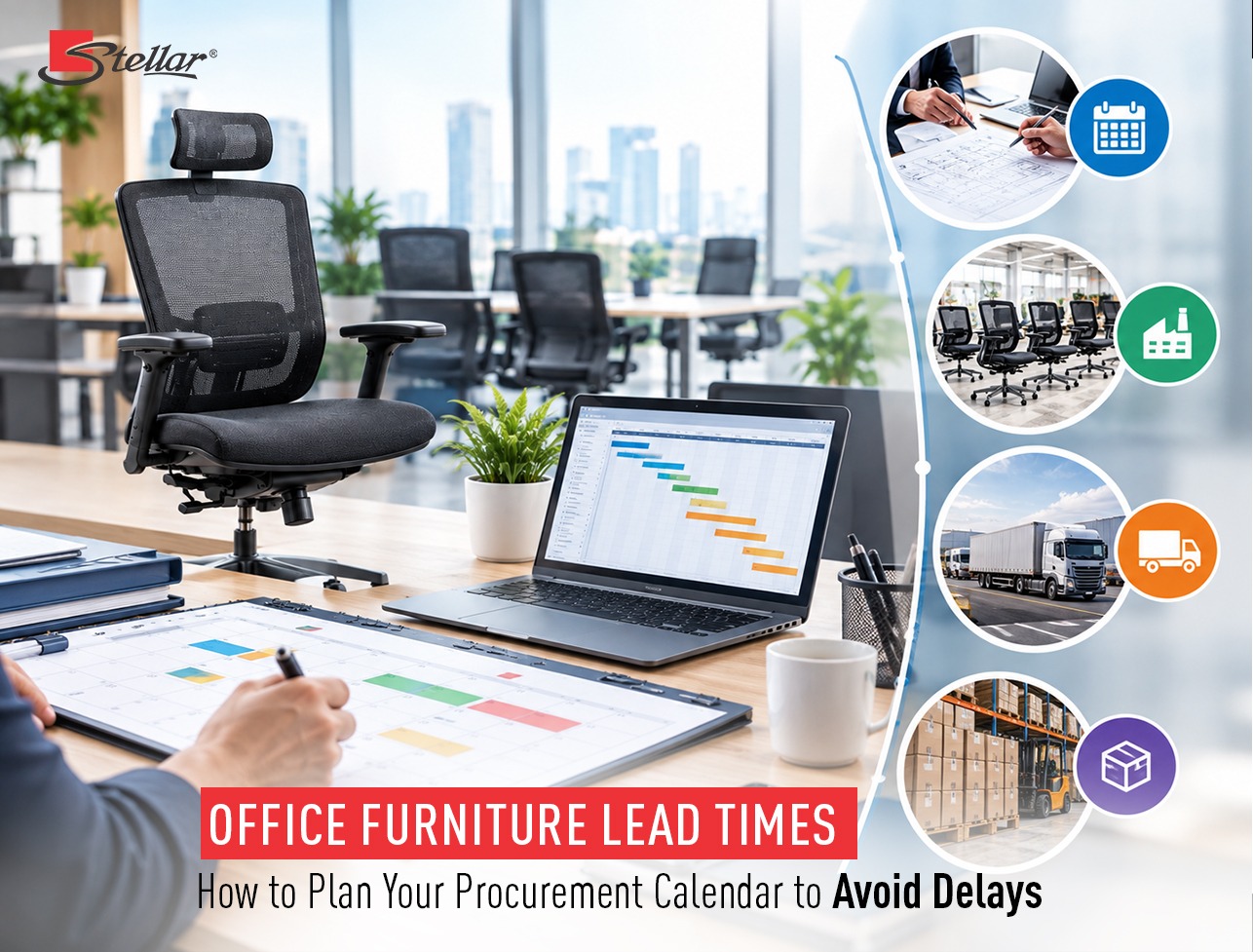
A large factory does not automatically guarantee that your order will be delivered on time. Capacity must be evaluated against your required quantity, product mix, specifications and delivery schedule.
Ask about current production commitments, available capacity, lead times and how delays are managed. During a visit or live walkthrough, look at active production and ask how an order moves from manufacturing to inspection, finished-goods storage and dispatch.
When you verify office furniture manufacturer capabilities, look for evidence that the supplier can handle your specific requirements alongside its existing commitments. Mixed orders may involve different materials, production lines and component suppliers, so a general monthly output figure is not enough.
For due diligence furniture import decisions, request a realistic production schedule and clarify how changes to specifications or quantities could affect delivery. A credible supplier should be able to explain the plan and identify potential constraints.
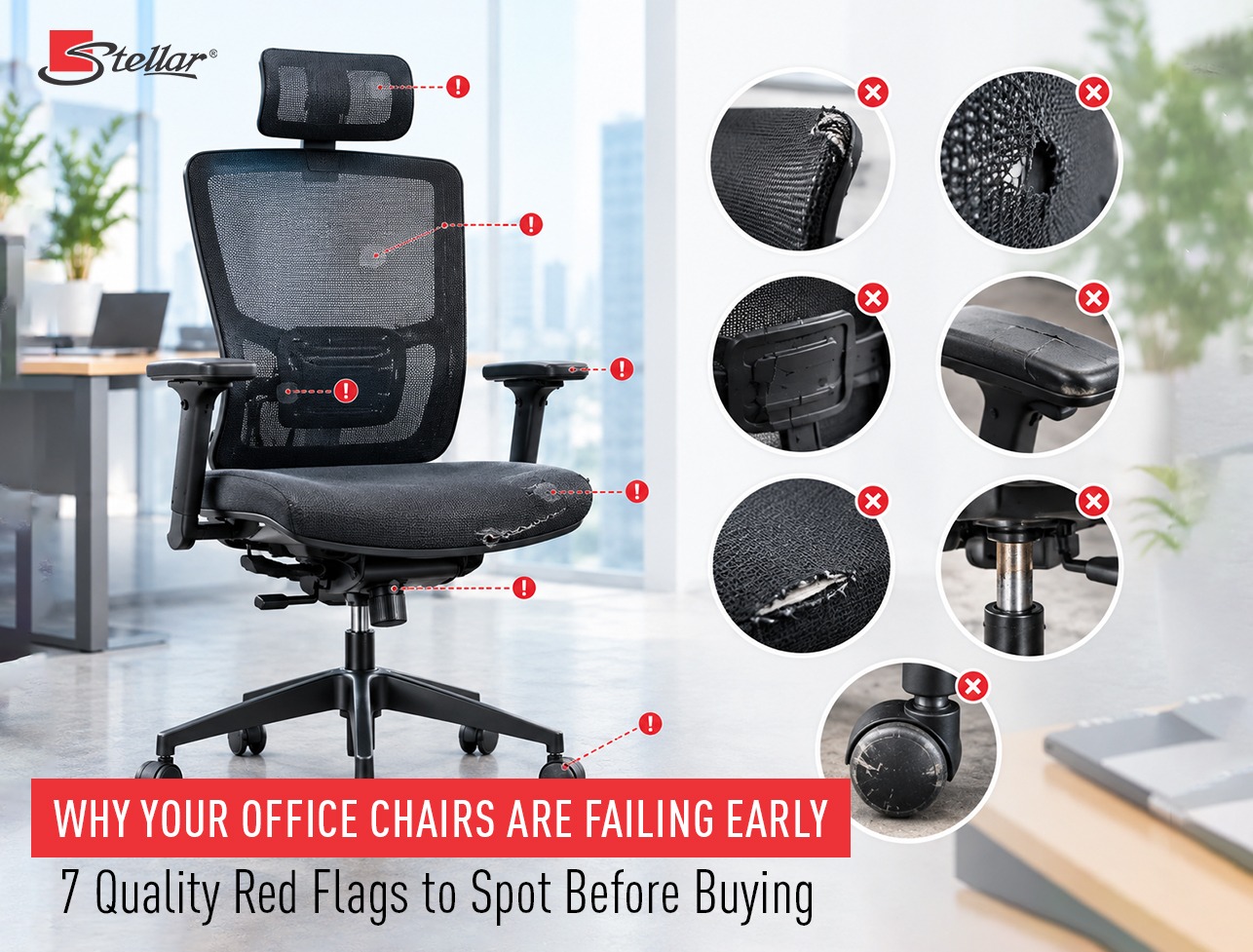
An approved sample provides a useful reference, but it does not guarantee that every unit in a bulk production run will match it. Before production begins, document the specifications that matter, including dimensions, materials, finishes, hardware, packaging and relevant performance requirements.
Ask how incoming materials are checked, how quality is monitored during production and how finished products are inspected. Most importantly, establish what happens when a product fails inspection. The supplier should be able to explain how defects are recorded, corrected and checked again.
A thorough office furniture factory audit checklist should include sample approval, inspection procedures and relevant test reports. Where certifications are required, verify the issuing body, validity, scope and product models covered. A certificate is useful only when it supports the specific product or requirement under review.
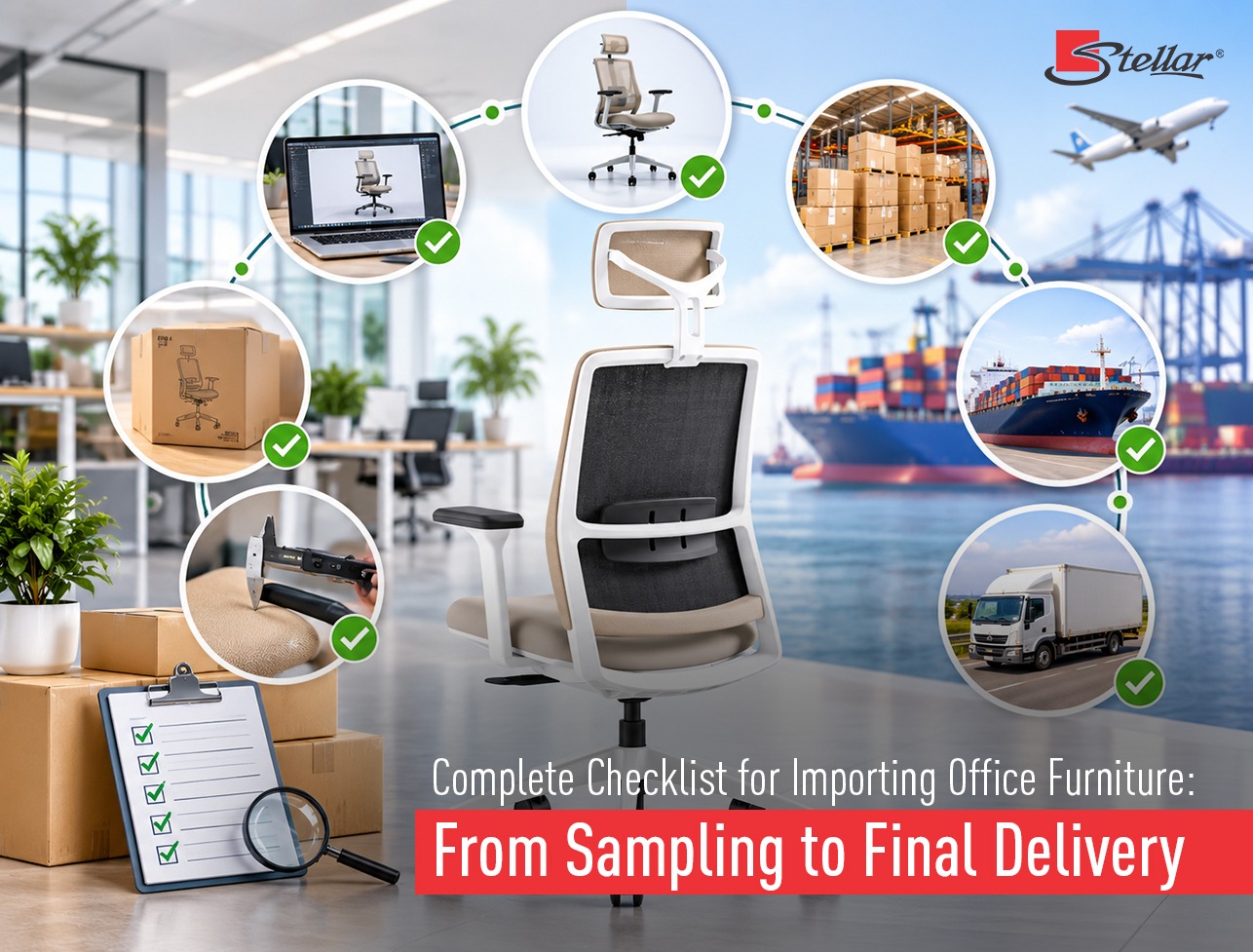
Furniture can be damaged during handling, warehousing and international transport, even when it leaves the production line in good condition. Check how products are protected, labelled and packed for the intended shipping method.
Ask how the supplier prevents scratches, damaged corners, moisture exposure and missing hardware. For furniture requiring assembly, confirm that fittings, instructions and component labels are included. Whenever possible, inspect an actual packed unit rather than relying solely on photographs.
This is another important part of due diligence furniture import planning. Confirm who prepares export documents, how cartons are marked and how loading is organised. Clear procedures help reduce damage, confusion and disputes when the shipment arrives.
A dependable supplier answers detailed questions clearly, provides documentation promptly and communicates potential problems before they become costly delays. During initial discussions, notice whether the manufacturer understands your specifications or relies on vague assurances.
When considering how to vet furniture supplier China candidates, document the agreed product specifications, payment milestones, inspection access, delivery dates and defect-handling responsibilities. Ensure the contract identifies the legal entity responsible for fulfilling the order.
Avoid choosing a supplier based on price alone. Two quotations may appear similar while differing in materials, construction, quality checks, packaging or scope. Compare offers against the same written specification to understand what each supplier is actually promising. Clear documentation also helps verify office furniture manufacturer commitments if questions arise during production or delivery.
A consistent office furniture factory audit checklist makes supplier evaluations more objective. Record the evidence collected, outstanding questions and actions required instead of relying on memory after a factory visit or video call.
Before approving a bulk order, confirm that:
For due diligence furniture import reviews, mark each item as verified, pending or unresolved. Unanswered questions should not be treated as confirmed facts. For a high-value first order, an independent factory audit or pre-shipment inspection can provide additional evidence before the goods leave the facility.
The purpose of learning how to verify office furniture manufacturer capabilities is not to find the supplier with the most impressive presentation. It is to gather enough evidence to judge whether a manufacturer can deliver consistent quality, manage production responsibly and support repeat orders. A structured approach helps verify office furniture manufacturer capabilities against practical requirements rather than relying on promises alone.
A structured process makes it easier to compare suppliers fairly, understand how to vet furniture supplier China options and apply the same office furniture factory audit checklist to each candidate. Thorough due diligence furniture import procedures cannot eliminate every risk, but they can reveal gaps before those gaps become expensive problems.
At Stellar Global, we understand the importance of dependable manufacturing, consistent quality and reliable execution for commercial furniture buyers. If your business is evaluating office furniture solutions for retail, wholesale or large-scale projects, contact our team to discuss your requirements.
Verify the company’s legal identity, manufacturing capabilities, quality-control procedures, samples, packaging standards and export experience. Confirm that specifications, delivery schedules, inspection rights and defect-handling responsibilities are documented in writing. For a first or high-value order, consider an independent inspection.
Request current company documents, a live video walkthrough of the production floor and evidence of products similar to your order being manufactured. Check relevant certificates and test reports with their issuing bodies, and confirm that the supplier’s legal details match across documents. A qualified third-party audit can provide additional assurance for higher-risk orders.
It should cover company identity, manufacturing scope, outsourced processes, production capacity, materials, sample approval, quality checks, packaging, export arrangements and commercial terms. It should also record supporting evidence and unresolved questions so that the final decision is based on verified information rather than verbal assurances.
International furniture orders involve manufacturing quality, transport, documentation, lead times and coordination across suppliers. Inadequate checks can result in inconsistent products, shipment delays, transit damage or disputes over responsibility. Due diligence helps buyers identify potential risks early and establish clear expectations before committing funds.

Stellar Global is a leading international office furniture manufacturer and supplier with over 34 years of industry experience, crafting ergonomic chairs, desks, workstations, and commercial furniture shipped to customers around the world.