Updated on April 16, 2026, for accuracy and clarity.
Welcome to the co-working space design journey! Picture it as a roadmap where you, especially as furniture retailers, must decide between traditional cubicles and open office areas in co-working spaces. It’s a significant decision, and understanding the pros and cons is crucial. Why? Because it helps businesses create co-working spaces that promote productivity and collaboration.
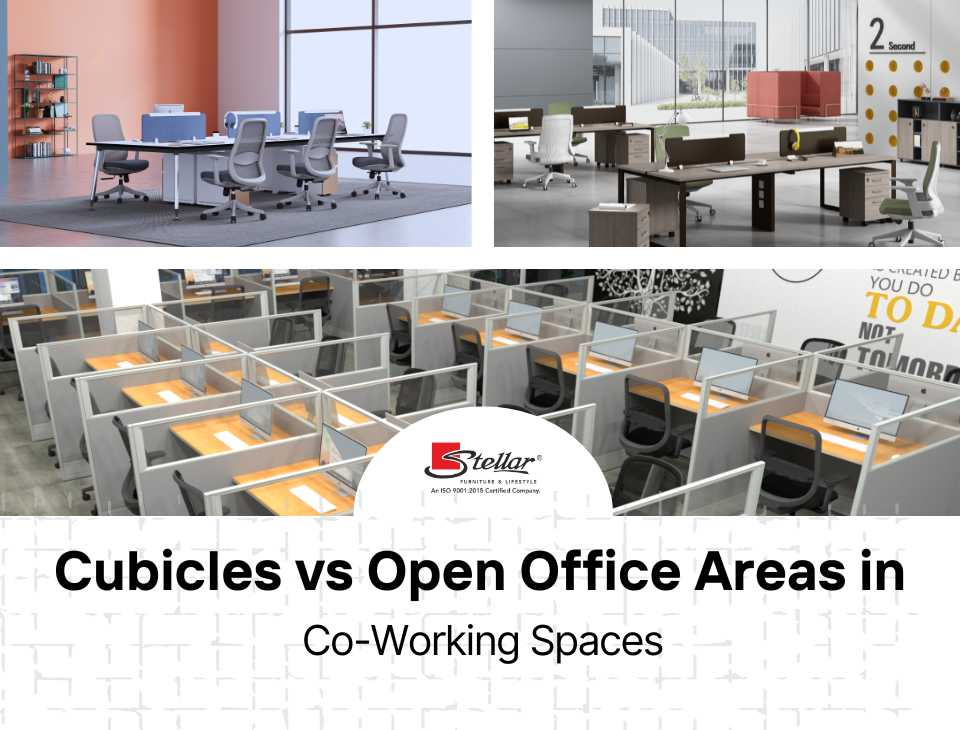
In this blog, we’ll thoroughly examine the strengths and weaknesses of office cubicles and open spaces of co-working spaces. Consider this guide your compass to assist furniture retailers in making informed choices. It goes beyond merely arranging desks; it’s about shaping how people collaborate and the overall ambiance of a co-working space.
So, let’s dive into the advantages and disadvantages of each, equipping furniture retailers with the knowledge to steer businesses toward the best-suited path for their co-working space needs.
In co-working spaces, traditional office cubicles are generally less common due to the emphasis on flexibility, collaboration, and community. However, you might find some variations offering a degree of privacy:
Micro-offices are small enclosed spaces in a co-working area, typically for 1-2 individuals. They provide more privacy than open desks but aren’t fully enclosed like traditional cubicles. Some may have glass walls for a sense of connection.
Pods are partially enclosed structures for small groups (2-4 people) for meetings or focused work. They often use sound-absorbing materials to minimize noise and can be movable or semi-permanent.
Individual desks with added privacy screens, either adjustable or fixed. This option allows personalization while staying connected to the co-working environment.
Some spaces offer modular meeting rooms with movable walls for different meeting sizes or private activities.
Co-working spaces may provide movable furniture like high-backed chairs or modular work pods for creating temporary individual work areas. This offers flexibility for achieving privacy when needed.
While fully enclosed cubicles aren’t common, various alternatives cater to diverse work styles and needs, depending on the co-working space and its design philosophy.
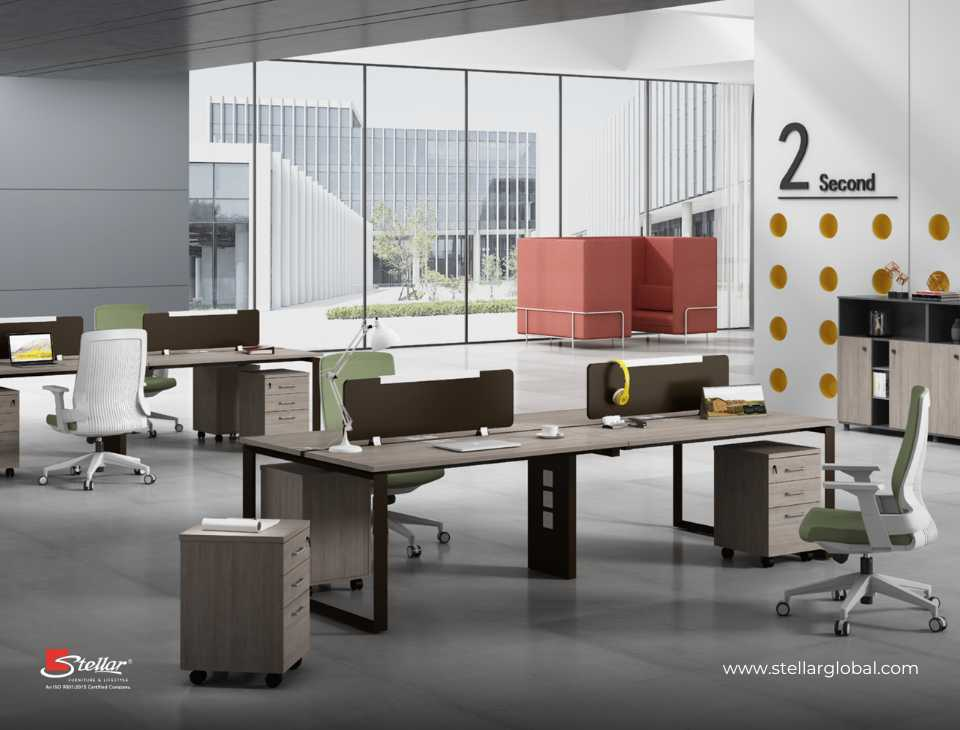
Co-working spaces present a versatile array of open office formats, tailoring to diverse work styles and preferences:
Description: Assigned to specific individuals or companies, offering a personalized and organized workspace.
Benefits: Provides a dedicated, consistent space for those valuing a more permanent and structured work setting.
Description: Unassigned desks are available on a first-come, first-served basis, promoting flexibility and adaptability
Benefits: Ideal for freelancers and remote workers seeking varied workspaces and spontaneous interactions.
Description: Shared tables designed for collaboration and interaction, often used for meetings or casual work sessions.
Benefits: Fosters a sense of community, encourages collaboration, and allows for diverse work dynamics.
Description: Informal spaces with comfortable seating, suitable for relaxation, casual meetings, or private phone calls.
Benefits: Offers a change of scenery, promotes networking, and caters to different work modes.
Description: Small, sound-proofed rooms for individual, focused work requiring quiet and privacy.
Benefits: Equipped with presentation tools, ideal for tasks demanding concentration and minimal distractions.
These open office areas contribute to a co-working environment’s dynamic nature, accommodating various work preferences. Each option serves a distinct purpose, from collaborative endeavors to solitary, focused work. Understanding and integrating these spaces effectively can enhance the overall co-working experience, promoting productivity, collaboration, and a sense of community among members.
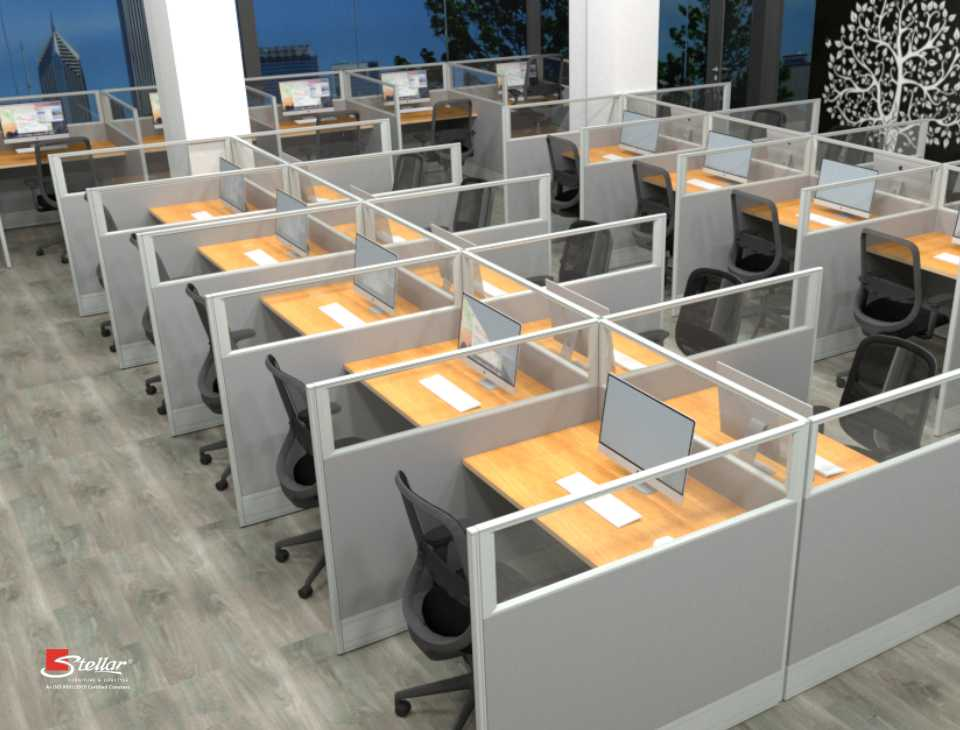
For furniture retailers operating within a co-working space, choosing between office cubicles and open office areas requires careful consideration of various factors. Here’s a breakdown to help you decide:
Ultimately, the best choice depends on your specific needs, company culture, and the co-working space’s environment and regulations. Carefully weigh the pros and cons of each option and consider a hybrid approach to create a functional and inviting workspace that supports both your business goals and the collaborative spirit of co-working.
Stellar stands out as a leading office furniture manufacturer in China, renowned for its commitment to delivering reliable and innovative furniture solutions tailored for diverse needs. With a focus on commercial projects, co-working spaces, and fit-outs, Stellar showcases unparalleled expertise in creating adaptable and cutting-edge office furniture whether it is office cubicles or furniture for open office areas. The company’s commitment to quality and innovation is evident in its comprehensive range of furniture solutions, specifically designed to meet the demands of modern work environments.
Whether it’s furnishing commercial projects with functional and aesthetically pleasing pieces or providing co-working spaces with flexible and collaborative furniture solutions, Stellar excels in delivering products that elevate the functionality and design of workspaces.
Conclusion: In the dynamic interplay between office cubicles and open office formats, the decision hinges on balancing privacy, collaboration, and employee needs. A hybrid approach emerges as a potential solution, offering the best of both worlds. As furniture retailers, understanding the intricacies allows for tailored recommendations.
Stellar, a leading office furniture manufacturer in China, stands out in providing comprehensive furniture solutions for commercial projects, fit-outs, and co-working spaces. Their commitment to innovation and quality positions them as the ideal partner in creating dynamic and functional workspaces.
Explore Stellar’s range of office furniture solutions for commercial projects, fit-outs, and co-working spaces. Elevate your workspace with quality and innovation, ensuring a dynamic and functional office environment. Contact us today to transform your vision into reality.
1. What is the difference between cubicles and open office spaces in co-working?
The difference between cubicles and open office spaces is that cubicles provide privacy while open offices promote collaboration.
Cubicles use partitions to create individual workstations, making them ideal for focused tasks and confidentiality. In contrast, open office layouts remove barriers, allowing easier communication, teamwork, and flexible seating arrangements.
2. Which is better for productivity: cubicles or open office spaces?
Cubicles are better for individual productivity, while open office spaces are better for team collaboration.
If your work requires deep focus and minimal distractions, cubicles help improve efficiency. However, for brainstorming, teamwork, and quick communication, open offices create a more dynamic and interactive environment.
3. Why do co-working spaces prefer open office layouts?
Co-working spaces prefer open office layouts because they encourage networking, flexibility, and collaboration.
Open designs allow people from different companies or teams to interact easily, share ideas, and build connections. This layout also maximizes space utilization and adapts quickly to changing user needs.
4. What are the advantages of cubicles in co-working spaces?
The advantages of cubicles include privacy, better focus, and a dedicated workspace.
They reduce noise and distractions, making them suitable for tasks that require concentration or confidentiality. Cubicles also provide personal storage and a structured work environment.
5. What are the disadvantages of open office spaces?
The main disadvantages of open office spaces are noise, distractions, and lack of privacy.
While they promote collaboration, constant movement and conversations can reduce focus. They may also not be suitable for confidential work or tasks requiring deep concentration.
6. Are cubicles outdated in modern co-working spaces?
Cubicles are not outdated but have evolved into more flexible and modern designs.
Today’s workspaces use modular cubicles, privacy pods, and semi-open partitions that balance privacy with openness. These updated formats meet the needs of both focused work and collaboration.
7. How do open office spaces improve collaboration?
Open office spaces improve collaboration by removing physical barriers between team members.
This setup makes it easier to communicate quickly, share ideas, and work together without formal meetings. It encourages spontaneous discussions and faster decision-making.
8. When should a business choose cubicles over open office layouts?
A business should choose cubicles when work requires focus, privacy, or handling sensitive information.
Cubicles are ideal for roles like finance, customer support, or research where distractions must be minimized and confidentiality is important.
9. Can a co-working space combine cubicles and open office areas?
Yes, co-working spaces can combine cubicles and open office areas to create a flexible hybrid environment.
This approach allows users to choose between quiet zones for focused work and open areas for collaboration, making the workspace more versatile and user-friendly.
10. What factors should you consider when choosing between cubicles and open office spaces?
You should consider privacy needs, type of work, team size, and collaboration requirements when choosing between cubicles and open offices.
Additional factors include noise tolerance, company culture, and space availability. The right choice depends on balancing productivity, communication, and employee comfort.
Stellar Global is a leading international office furniture manufacturer and supplier with over 34 years of industry experience, crafting ergonomic chairs, desks, workstations, and commercial furniture shipped to customers around the world.