1. How can I organize my work-from-home space for maximum productivity?
A well-organized work-from-home space improves productivity by reducing distractions and creating a focused work environment. Start by choosing a dedicated workspace with minimal interruptions. Keep your desk clutter-free and store frequently used items within easy reach. Use shelves, drawers, and organizers to maintain cleanliness and improve efficiency. Proper lighting, ergonomic furniture, and cable management also help create a productive home office setup that supports better concentration and workflow throughout the day.
2. What are the essential items needed for a well-organized home office?
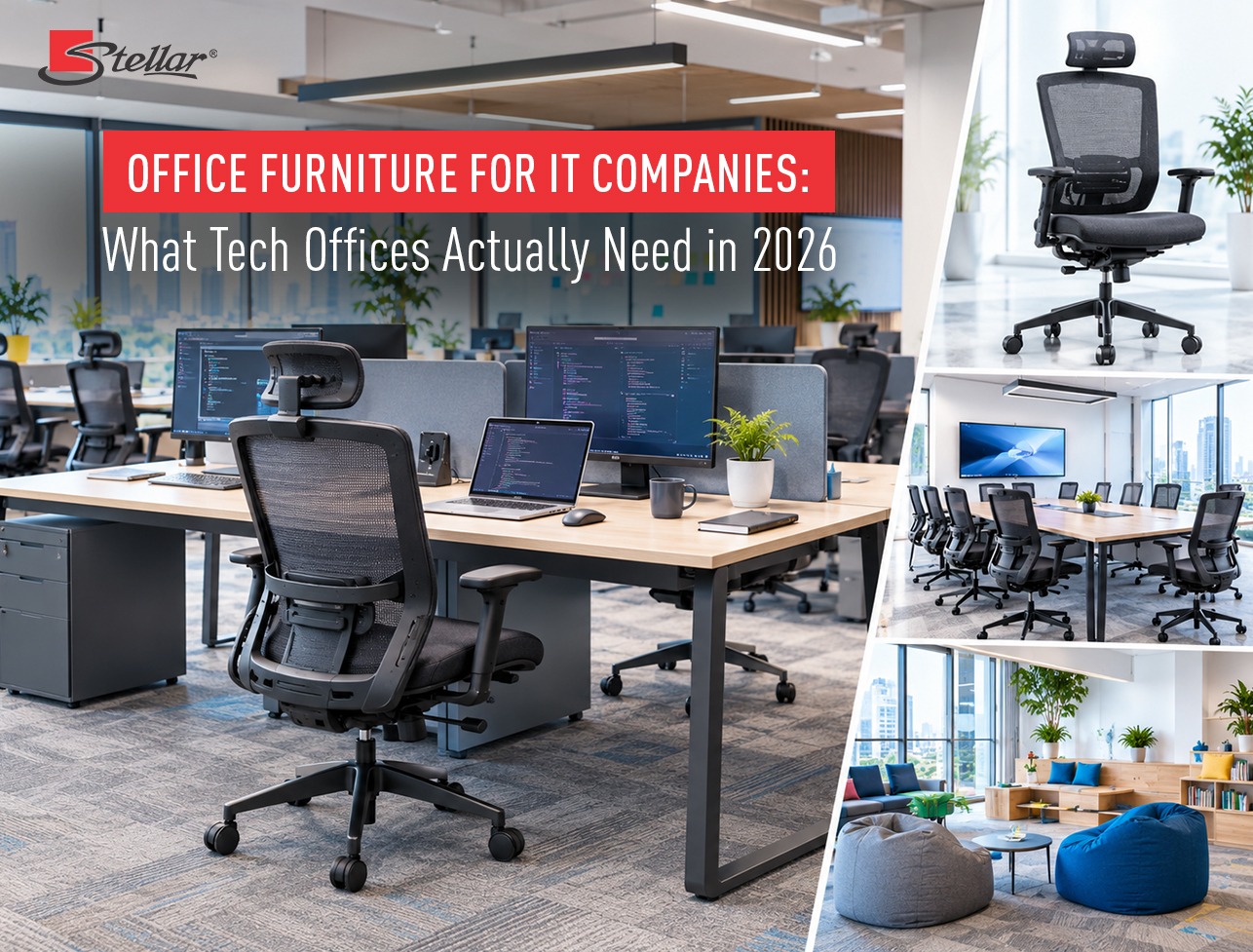
The essential items for a well-organized home office include an ergonomic chair, a functional desk, proper lighting, storage solutions, and reliable technology. A comfortable chair supports posture during long working hours, while a spacious desk keeps work materials organized. Storage cabinets, floating shelves, and drawer organizers help reduce clutter. Good lighting minimizes eye strain, and accessories like monitor stands, keyboard trays, and cable organizers improve comfort and workspace efficiency.
3. How do I create a work-from-home setup in a small space?
You can create a productive work-from-home setup in a small space by using compact furniture and smart storage solutions. Choose a space-saving desk, wall-mounted shelves, or foldable furniture to maximize available room. Keep only essential work items on the desk to avoid clutter. Vertical storage, multifunctional furniture, and wireless accessories help maintain an organized and comfortable workspace even in apartments or small rooms. Good lighting and a quiet corner also make small home offices more effective.
4. Why is ergonomic furniture important for a home office?
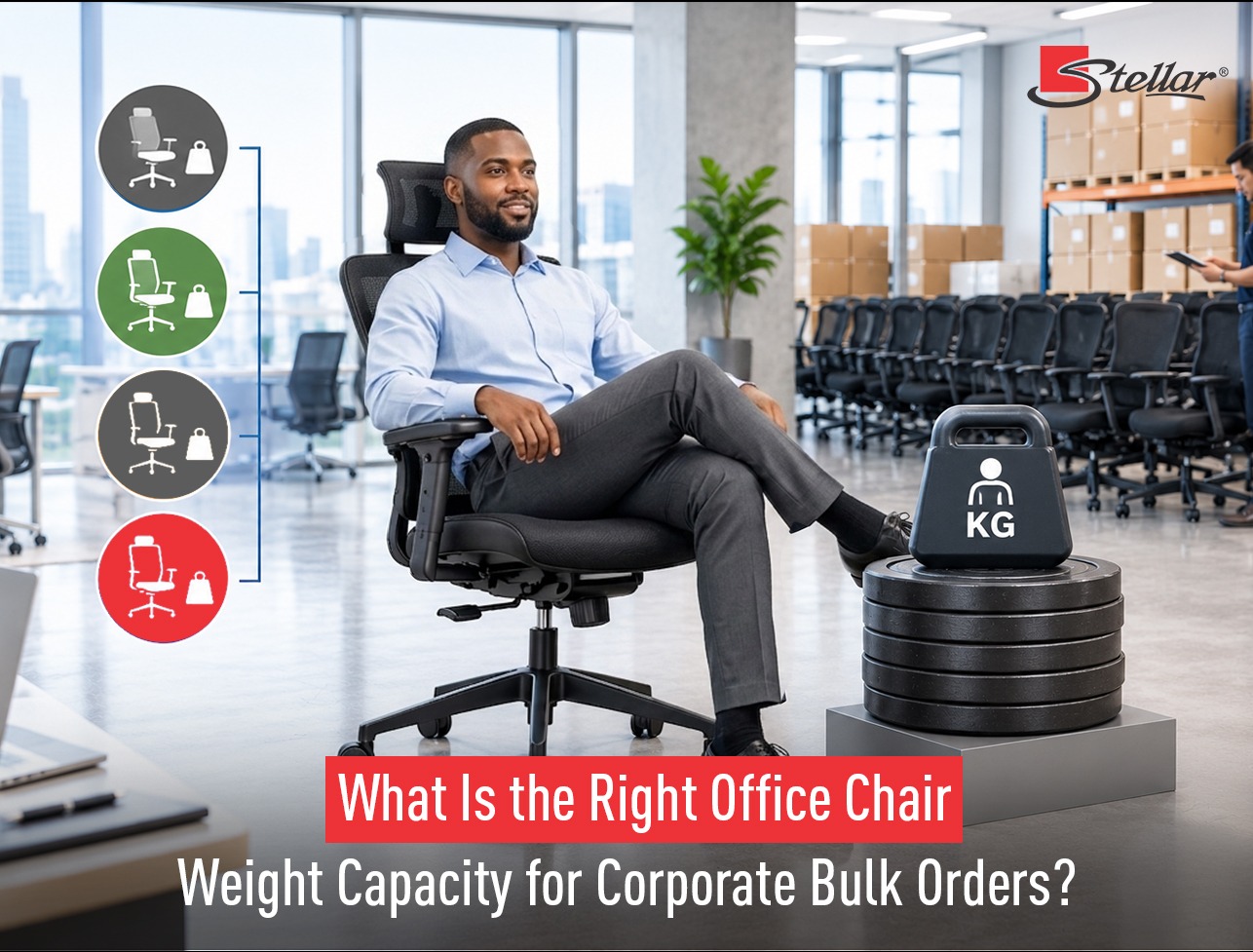
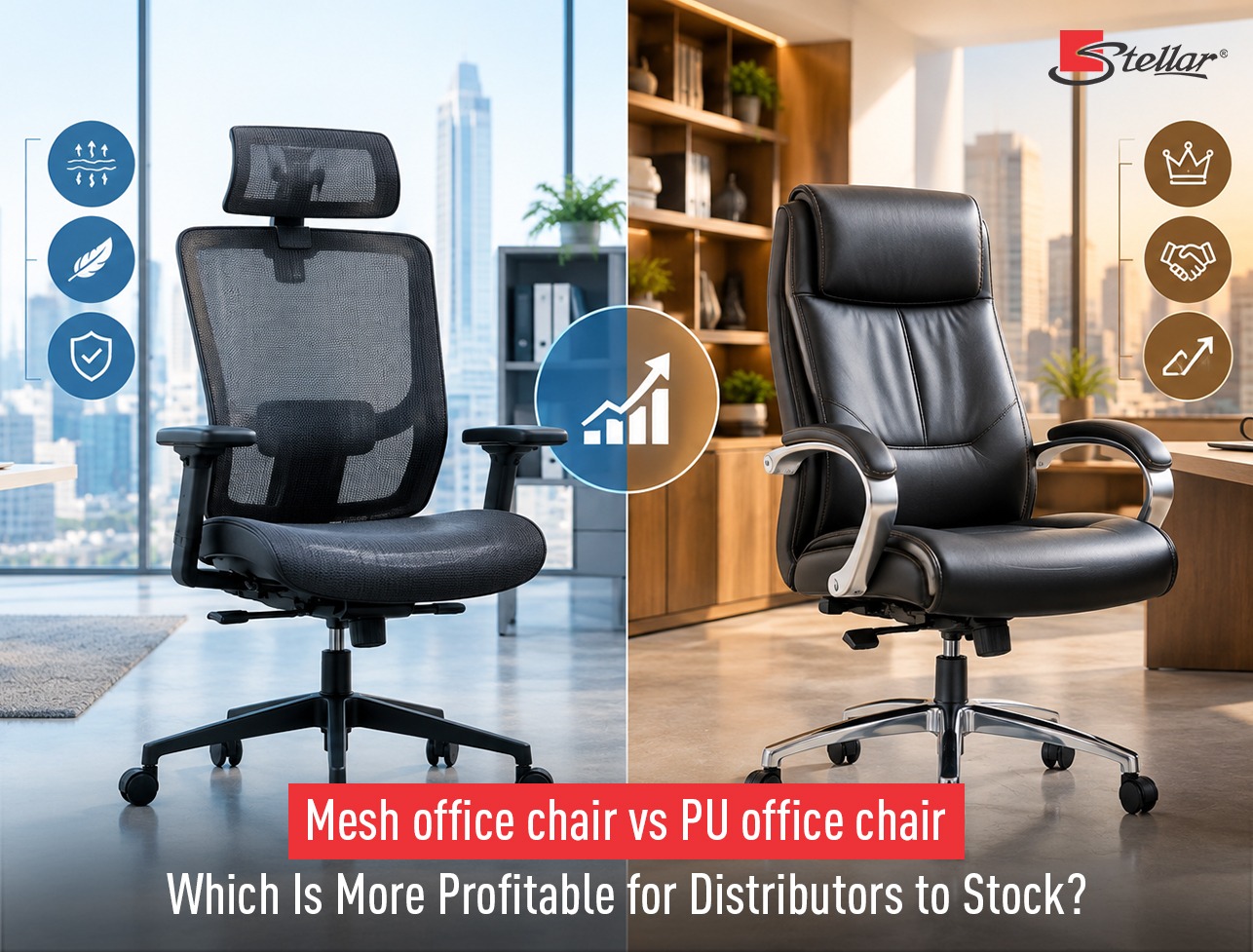
Ergonomic furniture is important for a home office because it improves comfort, posture, and long-term health during daily work. Ergonomic chairs support the spine and reduce back pain, while adjustable desks and monitor stands help maintain proper body alignment. Comfortable furniture minimizes strain on the neck, shoulders, and wrists, allowing employees to work more efficiently for longer hours. Investing in ergonomic office furniture also helps improve productivity and workplace wellness at home.
5. What is the best desk setup for working from home comfortably?
The best desk setup for working from home includes an ergonomic chair, a spacious desk, proper monitor positioning, and organized accessories. Your monitor should be at eye level, and your keyboard and mouse should allow comfortable arm positioning. Keep the desk free from unnecessary items to maintain focus. Adding desk organizers, task lighting, and cable management solutions creates a clean and comfortable workspace that supports better productivity and reduces physical strain during work hours.
6. How can I reduce distractions while working from home?
You can reduce distractions while working from home by creating a dedicated workspace and following a structured routine. Choose a quiet area away from household noise and keep your work zone separate from personal spaces when possible. Use noise-canceling headphones, organize your desk regularly, and limit unnecessary notifications during working hours. Maintaining a clean and distraction-free environment helps improve concentration, time management, and overall work performance.
7. What lighting works best for a productive home office setup?
Natural light combined with adjustable task lighting works best for a productive home office setup. Position your desk near a window to maximize daylight and reduce eye strain. Use LED desk lamps with adjustable brightness for focused work during evenings or low-light conditions. Proper lighting improves visibility, reduces fatigue, and creates a comfortable working atmosphere. Balanced lighting also helps enhance mood, concentration, and productivity throughout the workday.
8. How do cable management and storage improve workspace organization?
Cable management and storage improve workspace organization by reducing clutter and creating a cleaner, safer work environment. Organized cables prevent tangling and make electronic devices easier to access and maintain. Storage cabinets, drawers, and desk organizers keep office supplies arranged and within reach. A tidy workspace improves focus, creates a professional appearance, and makes daily tasks more efficient, especially in remote work setups with multiple devices and accessories.
9. What are the best furniture choices for a modern work-from-home office?
The best furniture choices for a modern work-from-home office include ergonomic chairs, adjustable desks, modular storage units, and compact workspace solutions. Modern home office furniture focuses on comfort, functionality, and space efficiency. Standing desks, minimalist storage cabinets, and multifunctional furniture help create a professional and organized environment. Choosing durable and ergonomic office furniture also improves comfort, productivity, and the overall appearance of your home workspace.
A clean and organized workspace improves work performance and mental focus by reducing stress and minimizing distractions. An uncluttered desk allows employees to find items quickly and maintain better concentration on tasks. Organized workspaces create a more positive and motivating environment, helping improve productivity, creativity, and time management. Maintaining cleanliness and proper organization also supports better workflow, professional efficiency, and overall work-from-home comfort.