Updated on December 19, 2025, for accuracy and clarity.
Selecting the right materials for office desks and workstations is crucial for office furniture dealers and retailers. The choice of material directly impacts durability, aesthetics, cost-effectiveness, and functionality. This guide explores the most common materials used in office furniture and their suitability for various needs, helping retailers make informed decisions when sourcing from a work desk manufacturer or office table supplier.
Solid Wood: Solid wood remains a top choice for office desks due to its durability and natural appeal. Woods like oak, maple, cherry, and walnut are popular for their ability to withstand wear and tear. Solid wood desks can be refinished over time, ensuring long-term value for buyers.
Wood Veneer: For a cost-effective alternative, wood veneer offers the aesthetic of solid wood at a fraction of the price. This material involves a thin layer of real wood applied to a substrate like particleboard or MDF, providing a balance between beauty and affordability.
When choosing to import office tables made from wood, retailers should consider consumer preferences for classic designs that prioritize durability and elegance. Wood options are especially favored by businesses looking to create warm and professional work environments.
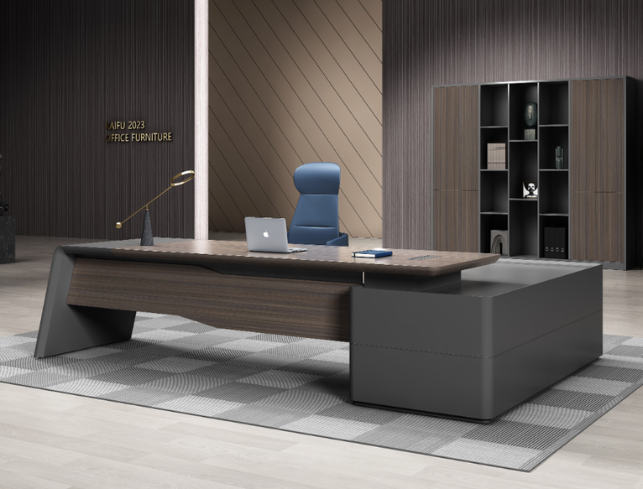
Melamine: Melamine-faced chipboard (MFC) is a synthetic material prized for its versatility. It is resistant to scratches and moisture, making it a practical choice for modern office settings. Available in a variety of colors and finishes, MFC caters to diverse style preferences. Additionally, it is eco-friendly, often made from recycled wood products.
Laminates: Laminates mimic the look of wood or other high-end materials while offering resistance to stains and scratches. They are a common choice for businesses seeking office table manufacturers that provide affordable yet durable solutions.
Retailers looking to work with a work table provider should consider melamine and laminates for their ability to deliver modern aesthetics at competitive prices. These materials are ideal for high-traffic environments like coworking spaces and call centers.
Glass: Glass desks, often made from tempered safety glass, offer a sleek, contemporary look. They are easy to clean and create an open, airy feel, making them perfect for smaller offices. However, regular maintenance is required to keep them free of smudges and fingerprints.
Metal: Metals like steel and aluminum are commonly used for frames or as components in office desks. They provide strength and stability while enhancing the modern aesthetic of the furniture. Metal desks are particularly popular among clients seeking minimalist or industrial designs.
When sourcing from a workstation manufacturer, glass and metal combinations can be a smart choice to meet the demand for modern, sophisticated office setups. These materials are well-suited for tech companies and creative agencies prioritizing cutting-edge design.
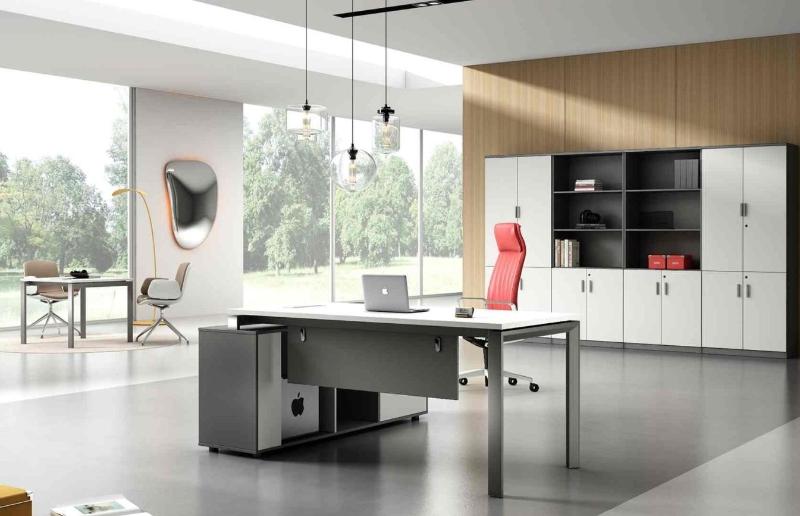
Sustainable Materials: With a growing emphasis on sustainability, eco-friendly materials like recyclable metals and alloys are gaining traction. These materials are not only durable but also a renewable resource, making it an excellent choice for environmentally conscious buyers. Reclaimed wood adds character and uniqueness to desks, appealing to businesses focused on sustainability.
Combination Materials: The use of mixed materials—such as wood combined with metal or glass—is becoming increasingly popular. These designs offer the best of both worlds: the warmth of wood, the durability of metal, and the modern aesthetic of glass. This trend allows office furniture manufacturers to cater to a broader audience seeking innovative and stylish office solutions.
Retailers looking to import office furniture should keep an eye on these trends, as they reflect the evolving preferences of today’s consumers. Combination materials can enhance inventory appeal, attracting buyers who prioritize both style and practicality.
The material used in office desks and workstations directly influences their functionality, durability, and appeal. For office furniture dealers, sourcing from a reliable office table supplier or work desk manufacturer is essential to meet diverse customer needs. Whether it’s the timeless charm of wood, the practicality of melamine and laminates, the elegance of glass and metal, or the innovation of sustainable materials, each option serves a unique purpose in modern workspaces.
To stay ahead in the competitive market, partnering with an experienced office table manufacturer or workstation manufacturer ensures access to high-quality, trend-driven products. By understanding the significance of these materials, retailers can make informed decisions and build an inventory that resonates with their customers.
For expert guidance on sourcing premium office furniture, contact a trusted work table provider today. Enhance your inventory with materials that combine durability, aesthetics, and functionality to deliver unparalleled value to your clients.
Office desks and workstations are commonly made from engineered wood (MDF, particle board), solid wood, melamine, laminate, metal, glass, and increasingly, eco-friendly materials. Each material offers a balance of durability, cost, aesthetics, and functionality depending on office needs.
Metal frames combined with high-quality engineered wood or laminate surfaces are among the most durable options for office use. These materials resist daily wear, scratches, and moisture, making them suitable for high-traffic commercial environments.
Melamine is often preferred over solid wood for office desks due to its affordability, scratch resistance, uniform finish, and low maintenance. While solid wood offers a premium appearance, melamine provides better cost efficiency and consistency for modern office workstations.
Metal and glass workstations offer a modern, professional look and excellent structural strength. Metal provides stability and longevity, while glass adds visual openness, making them ideal for contemporary offices focused on aesthetics and minimalism.
Choosing the right workstation material depends on factors such as office usage, budget, durability requirements, design preference, and maintenance needs. High-traffic offices benefit from laminates and metal, while executive spaces may prefer wood or veneer finishes.
Yes, many manufacturers now use sustainable materials such as recycled metal, low-VOC boards, FSC-certified wood, and recyclable laminates. These materials reduce environmental impact while maintaining durability and design quality.
Yes, material choice significantly affects cost. Solid wood and glass are typically more expensive, while engineered wood and laminates are more budget-friendly. Metal frames add durability but can increase overall pricing depending on design complexity.
Wood veneer is a thin layer of natural wood applied over engineered boards. It provides the appearance of solid wood at a lower cost, with better resistance to warping and consistent finish, making it suitable for modern office furniture.
Laminates, melamine, and metal-based workstations are best for high-traffic offices. These materials are scratch-resistant, moisture-tolerant, and easy to clean, ensuring long-term performance in busy workspaces.
Yes, mixed-material workstations are common and highly functional. Combinations such as wood with metal frames or glass with steel supports offer enhanced durability, modern aesthetics, and better structural performance.

Stellar Global is a leading international office furniture manufacturer and supplier with over 34 years of industry experience, crafting ergonomic chairs, desks, workstations, and commercial furniture shipped to customers around the world.